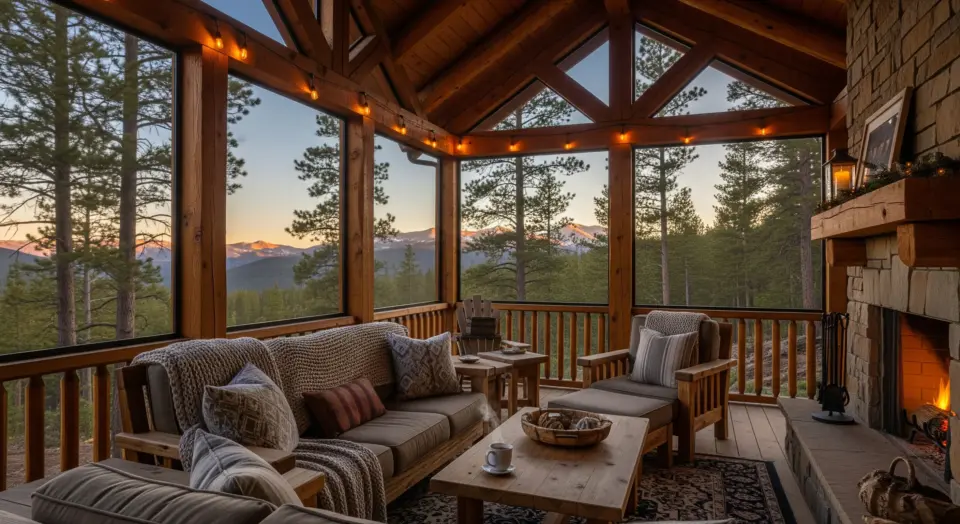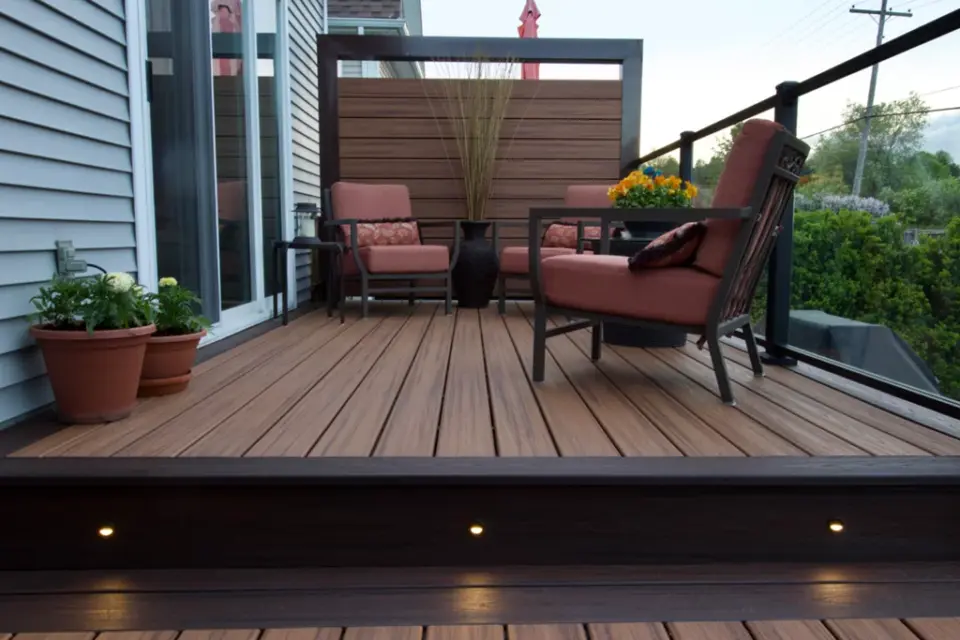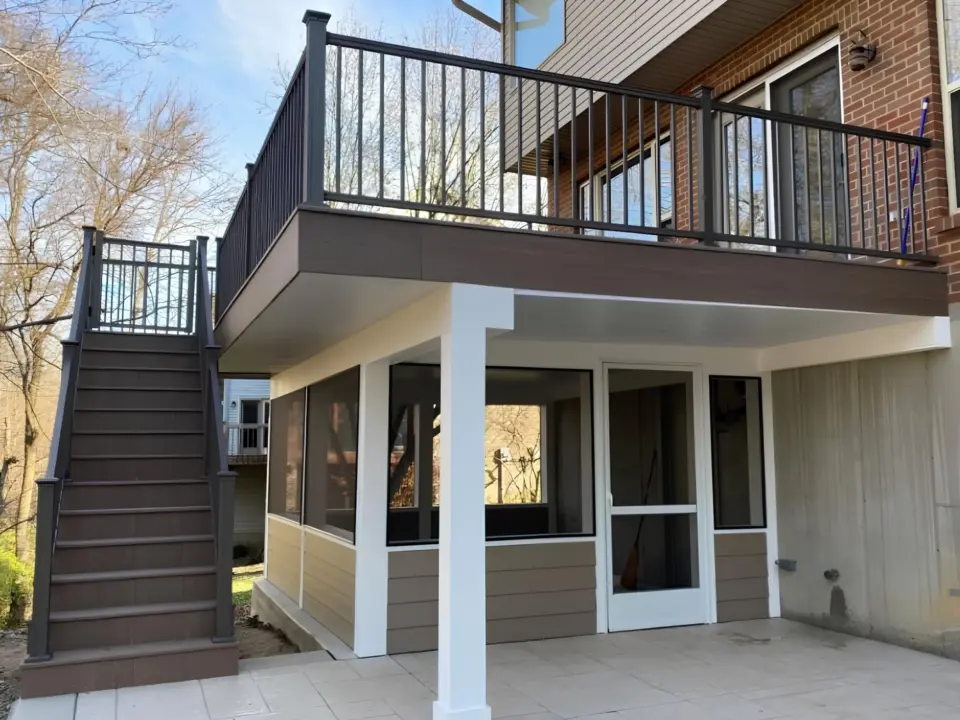


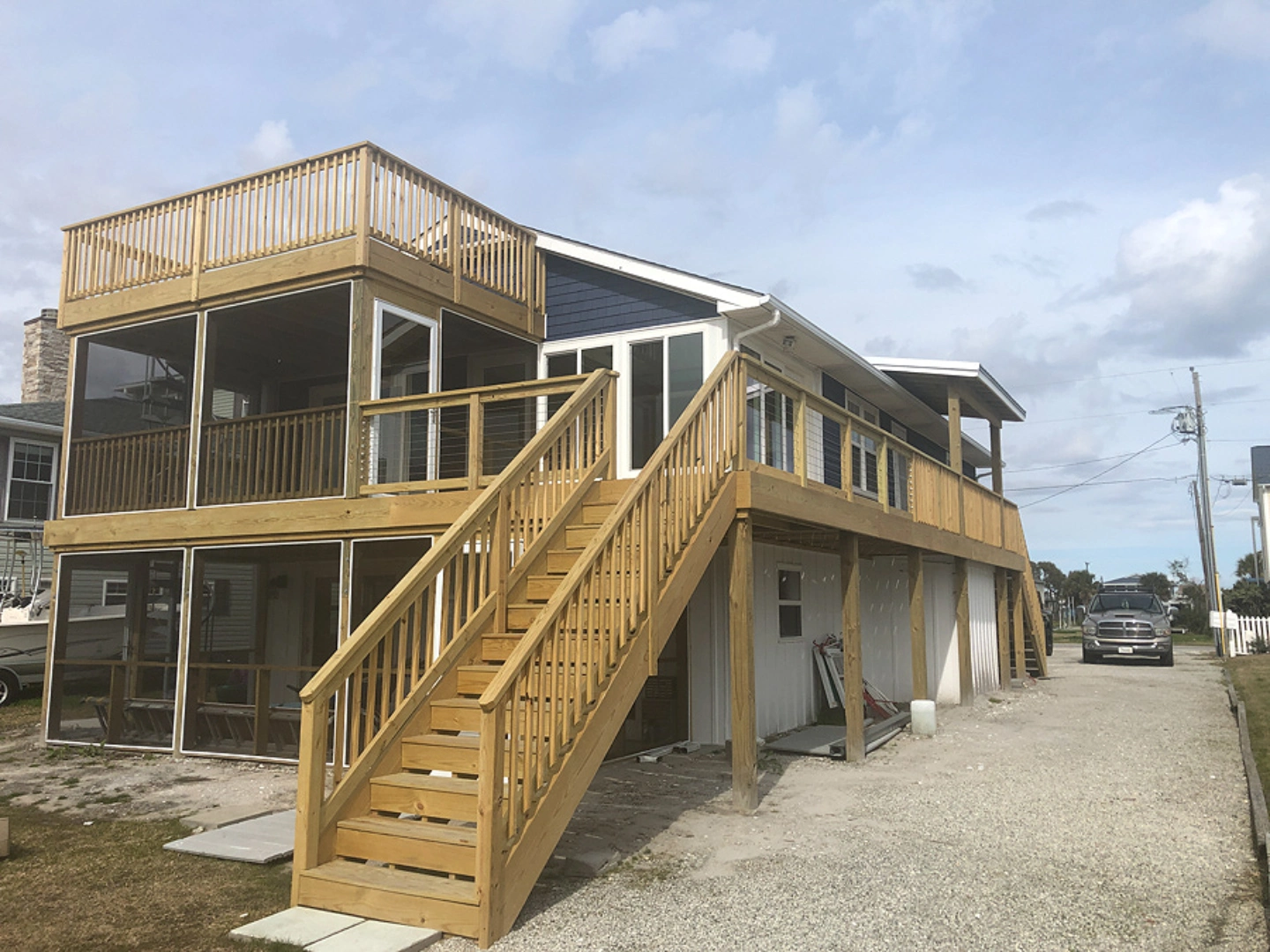
Hampstead sits in one of the most demanding climates in the country for outdoor materials. The ICW runs along the eastern edge of town, salt air drifts inland on every breeze, summer humidity pushes past 80 percent for months at a time, and hurricane season delivers wind, rain, and storm surge from June through November. Most decking materials struggle under this kind of seasonal abuse. Exotic hardwood is one of the few options that thrives in it.
This guide walks through how exotic hardwood decking performs in coastal Hampstead conditions, which species deliver the best results, and what to plan for when building a hardwood deck that holds up against salt air, humidity, and the long-term realities of life near the water.
Why Hardwood Performs in Coastal Conditions
Exotic hardwoods like Ipe, Tigerwood, and Cumaru come from dense tropical forests where the wood evolved to survive extreme moisture, insects, and rot. The density and natural oil content of these species make them effectively impermeable to the conditions that destroy softer materials within just a few short seasons. Salt air, humidity, and constant moisture exposure simply do not penetrate these woods the way they penetrate cedar, redwood, or pressure-treated pine.
This natural resistance is exactly why hardwood decking remains the gold standard for coastal residential builds. The wood resists rot for decades without chemical treatment, repels termites and marine borers that destroy lesser materials, and maintains structural integrity through hurricane wind loads and torrential rain. For Hampstead homeowners building close to the water, this performance gap matters more than almost any other factor on the spec sheet.
Ipe, Tigerwood, and Cumaru Compared
Ipe is the most well-known exotic hardwood for outdoor decking, and for good reason. The wood carries a Class A fire rating, resists scratches and dents from foot traffic, and delivers a lifespan of 50 to 75 years with minimal care. The deep brown color weathers to a silvery gray over time, which many coastal homeowners actually prefer for a natural seaside aesthetic that blends with the surrounding landscape.
Tigerwood features dramatic dark grain stripes against a warmer reddish-brown base, creating a visual character that no other decking material can match. Cumaru sits between the two in price and appearance, with a rich golden-brown tone that ages beautifully over the years. All three species deliver the same exceptional moisture and insect resistance that makes hardwood decking the right choice for coastal Hampstead conditions.
How Salt Air and Humidity Affect Each Species
Salt-laden air accelerates corrosion on metal fasteners and degrades softer wood species quickly. Exotic hardwood handles salt exposure far better than alternatives because the dense fiber structure blocks salt penetration into the wood itself. The surface may show some weathering, but the structural integrity of the boards remains intact through decades of coastal exposure.
Humidity creates a different challenge. Most wood species expand and contract dramatically with humidity changes, leading to gaps, cupping, and surface checking over time. Hardwood decking minimizes this movement thanks to its dense cellular structure that resists moisture absorption. The boards stay flat, tight, and visually consistent through Hampstead’s long humid summers and the occasional dry winter stretches that affect lesser materials.
Framing and Footings for Coastal Hardwood Builds
The surface boards of any hardwood decking project perform only as well as the structure underneath them. Pressure-treated framing handles most inland Hampstead conditions reliably, but marine-grade lumber takes performance to the next level for waterfront and coastal-adjacent properties. ProWood pressure-treated lumber, KDAT Lumber, and standard pressure-treated lumber all deliver strong performance when properly specified for the build site.
Footings carry the load down to stable soil below grade and protect the hardwood decking surface above from shifting over time. Traditional concrete footings work well for most Hampstead lots, but driven piling becomes the smart choice for waterfront properties, ICW-facing lots, and homes built on softer coastal soil. Pile driving anchors the structure deep enough to resist storm surge and hurricane wind uplift, protecting the entire investment from the most damaging weather events the region produces each season.
Planning a Hardwood Deck That Lasts
A successful hardwood decking project starts with proper planning long before the first board goes down. 3D deck design and modeling show exactly how the finished structure will sit on the property, including layout, board patterns, railing styles, and stair placement. The model also confirms setback compliance and helps the homeowner visualize the final look in context before committing to construction.
Permit acquisition and site preparation follow the design phase. A qualified contractor handles the entire permit process from submission through approval, including the structural plans that show footing locations, framing layout, beam sizing, and connection details required by North Carolina code. For expert hardwood decking design and installation in Hampstead and across the surrounding coastal North Carolina communities, contact Deck and Patio TuneUp at (910) 742-1620 to schedule a consultation and build a deck that performs in salt air and humidity for decades.