


TL;DR: A small gazebo should leave enough room to walk, sit, and use the rest of the yard. In Wilmington, start by deciding how you want to use the covered space, then compare potential locations for shade, drainage, and access before choosing a size. A gazebo builder can help translate those measurements into a practical layout.
A compact yard does not need a large centerpiece. It needs a covered area that suits your outdoor routine without crowding the doorway, garden, or walkway.
Size the seating area before the structure
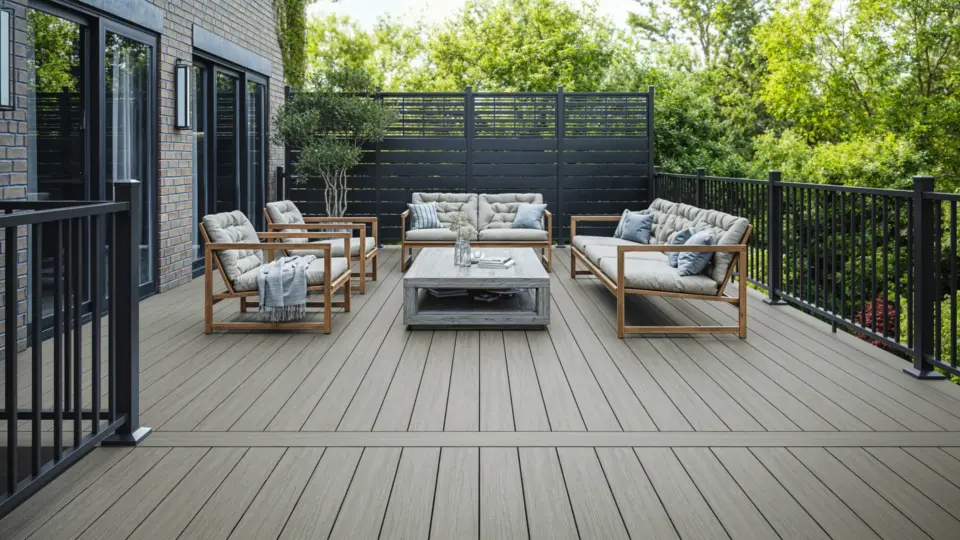
Before meeting a gazebo builder, mark out your furniture arrangement with tape or cardboard. Two chairs and a small table require less space than a dining set with chairs that need room to slide back. Walk around the layout to check whether someone can leave a chair while another person passes. Make sure you can move through the area without squeezing between posts.
Measure the usable yard, not just the property boundaries. Note the house, existing deck, gates, planting beds, and any areas that need to remain open. Share these measurements with a gazebo builder instead of choosing a footprint based on a picture. Ask to see the proposed roof overhang as well as the post locations, since the roof may occupy more visual space than the seating area below.
Could a corner or garden edge work?
A corner can keep the center of a small yard open for play, pets, or planting. Placing a gazebo along the edge of a garden may also provide a pleasant view from the seating area. However, either location can create problems if it blocks a gate, crowds a tree, or makes it difficult to maintain the space behind the structure.
An existing patio may seem like the natural choice. Check its usable area and consider how you would access the gazebo from the house. Do not assume the existing surface can support new posts or that a patio is suitable for every gazebo design. Ask the gazebo builder what information is needed to assess the location before planning around it.
Visit each potential location at the times you usually use the yard. An afternoon seating area may need more shade than a spot for morning coffee. Keep the sides open where you want to preserve views and airflow. Screens or solid panels can make a compact gazebo feel more enclosed, so consider how they might affect the space.
Keep the design in step with the house
Simple posts and a clean roofline can help a small gazebo feel less imposing. Compare its height and roof shape with nearby windows, doors, and any existing porch. Check material and color samples against your siding rather than choosing a finish on its own.
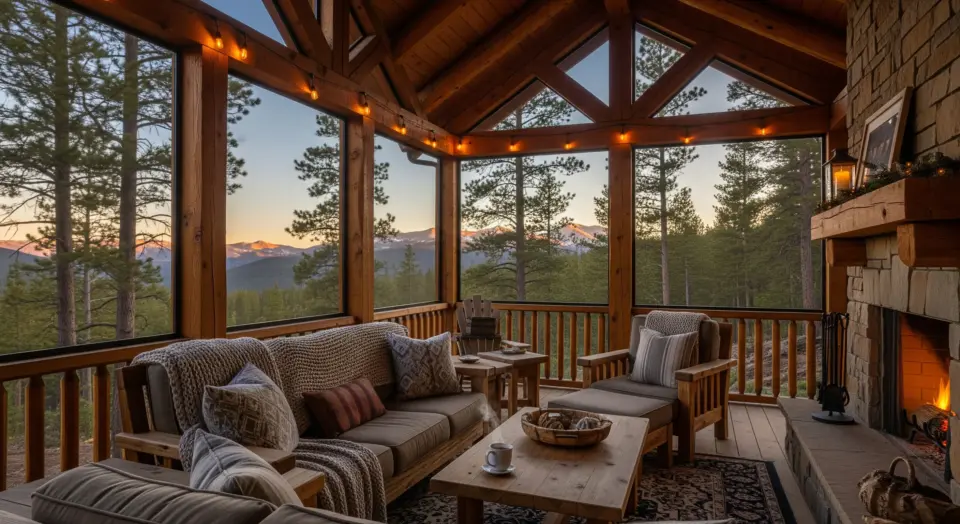
A compact square gazebo can suit a small dining area, while a narrow rectangular design may fit better along a garden edge. An open-sided gazebo with slim posts can preserve views and make the yard feel less crowded. For a more traditional appearance, consider a small octagonal gazebo with built-in bench seating to reduce the need for extra furniture. Compare wood and other available materials based on their appearance, maintenance needs, and suitability for your space.
Plan for weather, water, and access
In Wilmington, consider where rainwater will flow off the roof. Avoid directing runoff toward a doorway or an area that already stays wet. Think about sun exposure, wind, and whether nearby plants will drop leaves onto the roof. In Wilmington’s coastal environment, ask how the proposed gazebo design, anchoring, and materials will meet the wind-related requirements that apply to your property. A gazebo builder should plan around your yard rather than rely on a standard diagram.
If you want an outlet in the gazebo, bring it up before settling the layout. Think about where you would plug in a light without running a cord across a walkway. Ask what electrical work and approvals the design would require.
Before building, confirm property boundaries and ask which setbacks, approvals, or permits apply to your address. Leave enough room to reach gates, doors, and areas that need maintenance. A gazebo builder can discuss the site plan, but requirements vary by property, and an attractive sketch does not guarantee approval.
Contact your gazebo builder today
A small gazebo should make your yard easier to use without taking over the space. Start by planning furniture placement. Compare two possible locations in person, then choose the roof and materials once you understand the site.
If you are planning a compact outdoor space, call Deck and Patio TuneUp at (910) 742-1620 to discuss your gazebo ideas.