

Living near the coast in Wilmington, NC means enjoying ocean breezes, mild winters, and some of the best outdoor living weather in North Carolina. But that same coastal environment is brutal on outdoor structures. Salt air, intense humidity, heavy rain, hurricane-season winds, and relentless UV exposure all work together to break down decking materials faster than in inland climates. Here’s an honest look at which deck construction materials actually hold up along the coast and which ones fall short.
Pressure-Treated Wood
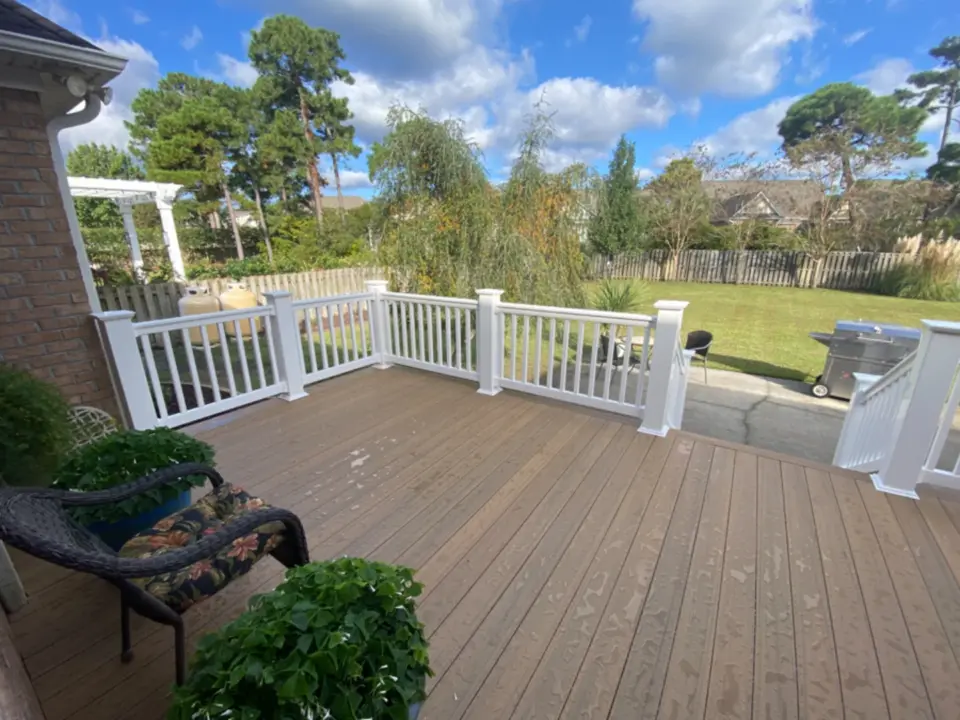
Pressure-treated pine is the most affordable and widely used decking material in the Wilmington area. It’s chemically treated to resist rot, insects, and fungal decay, which gives it a solid baseline of protection against coastal moisture. For homeowners working within a tighter budget, it remains a practical starting point that delivers reasonable performance when properly maintained.
The downside is that pressure-treated wood demands consistent upkeep in a coastal environment. Salt air accelerates weathering, and the constant humidity promotes mold, mildew, and warping. Without staining and sealing every one to two years, pressure-treated boards deteriorate quickly. Among all decking materials available today, it offers the lowest upfront cost but the highest long-term maintenance commitment.
Exotic Hardwoods
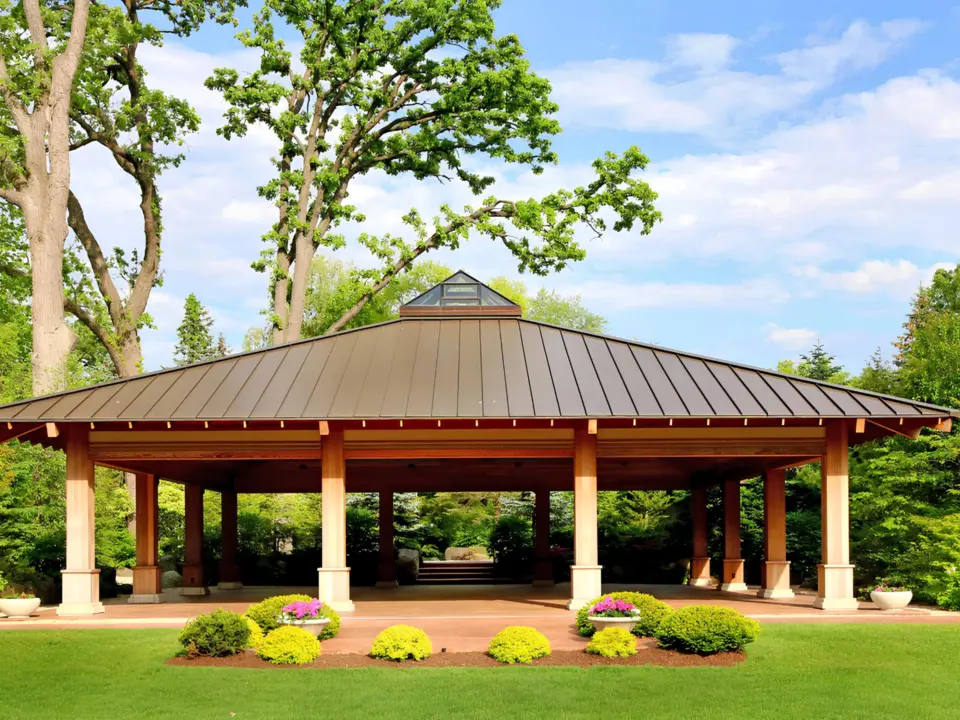
Hardwoods like Ipe, Tigerwood, and Cumaru sit at the top of the natural wood spectrum. They’re incredibly dense, naturally resistant to rot, insects, and moisture, and they offer stunning grain patterns that make any deck look like a showpiece. Ipe in particular is known for its near-legendary durability, often lasting 40 years or more even in harsh coastal conditions.
The trade-offs are cost and workability. Exotic hardwoods are significantly more expensive than domestic options, and their density makes them harder to cut and fasten, which increases labor costs. They also benefit from periodic oiling to maintain their rich color, though they’ll still perform beautifully if left to weather naturally. As decking materials go, exotic hardwoods offer the best natural durability money can buy.
Composite Decking
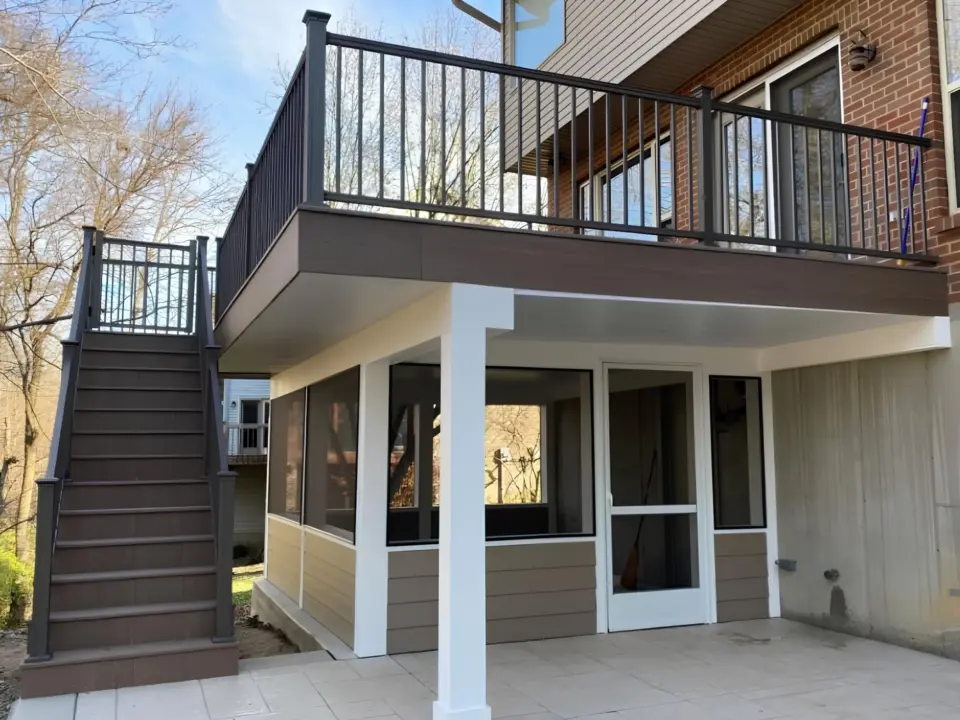
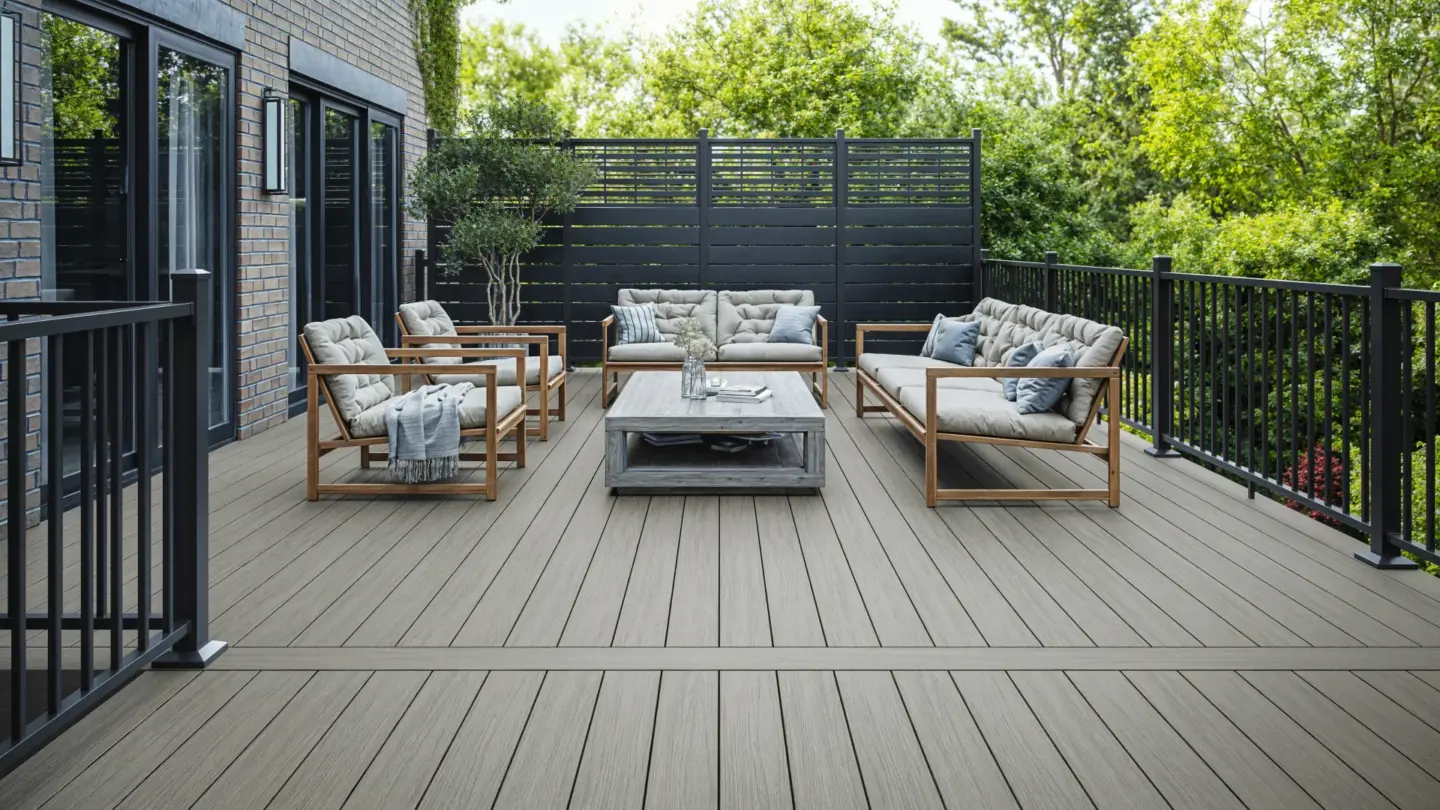
Composite has become one of the most popular decking materials along the North Carolina coast for good reason. Made from wood fibers and recycled plastics with a protective polymer cap, it resists moisture, fading, staining, mold, and insects without any of the ongoing maintenance wood demands. TimberTech by Azek and Deckorators both offer product lines specifically engineered for high-moisture, high-UV environments like Wilmington’s coast.
For Wilmington homeowners, composite checks nearly every box. It won’t rot, split, or warp from salt air exposure, and it maintains its color and texture for decades with nothing more than occasional cleaning. The upfront cost is higher than pressure-treated wood, but the near-zero maintenance makes it one of the most cost-effective decking materials over the life of the deck.
PVC Decking
PVC is the fully synthetic option, made entirely from polyvinyl chloride with no wood fibers at all. This gives it the absolute highest moisture resistance of any decking material available, which is a major advantage in Wilmington’s humid, salt-heavy coastal climate. It cannot absorb water under any conditions, making rot, mold, and swelling physically impossible.
PVC is also incredibly easy to clean, resistant to staining, and virtually maintenance-free. It costs more than composite upfront, but for decks in direct coastal exposure, near pools, or in heavily shaded areas where moisture lingers, the investment makes sense. Some homeowners find it lacks the natural warmth of composite or wood underfoot, but its performance in coastal conditions is unmatched among all decking materials.
What Doesn’t Hold Up
Not every material belongs near the coast. Untreated softwoods deteriorate rapidly in Wilmington’s environment and should be avoided entirely. Lower-grade composite products without proper capping can absorb moisture at the edges and fade quickly under intense UV exposure. Cheap fasteners and hardware that aren’t rated for coastal corrosion will rust and fail long before the decking itself shows wear. Cutting corners on decking materials near the coast always costs more in the long run.
How to Protect Your Investment
Regardless of which material you choose, proper installation and maintenance play a huge role in how long your deck lasts near the coast. Adequate ventilation beneath the deck prevents moisture from becoming trapped against the underside of the boards. Stainless steel or coated fasteners resist salt air corrosion far better than standard hardware. Regular cleaning removes salt buildup, pollen, and debris that can accelerate surface wear over time.
For wood decking materials, staying on top of staining and sealing schedules is essential in this climate. For composite and PVC, a simple wash once or twice a year keeps the surface looking fresh and prevents mold from gaining a foothold in shaded areas. A little preventive care goes a long way toward getting the most out of your investment.
Making the Right Choice
The best decking materials for your North Carolina home depend on your budget, maintenance tolerance, and how long you want your deck to last. Pressure-treated wood delivers affordability but demands consistent care. Exotic hardwoods offer unmatched natural beauty and durability at a premium price. Composite provides the best balance of looks, performance, and low maintenance. PVC gives you maximum moisture protection for the most demanding coastal applications.
At Deck and Patio TuneUp, we help homeowners choose and install decking materials built to handle everything the North Carolina coast throws at them. Our team knows which products perform best in this environment and builds every deck with coastal durability in mind. Call us today at (910) 742-1620 to schedule a consultation and get started.